








Quick Links
Utility Pages
© Copyright 2026 by nexoraacademy.com
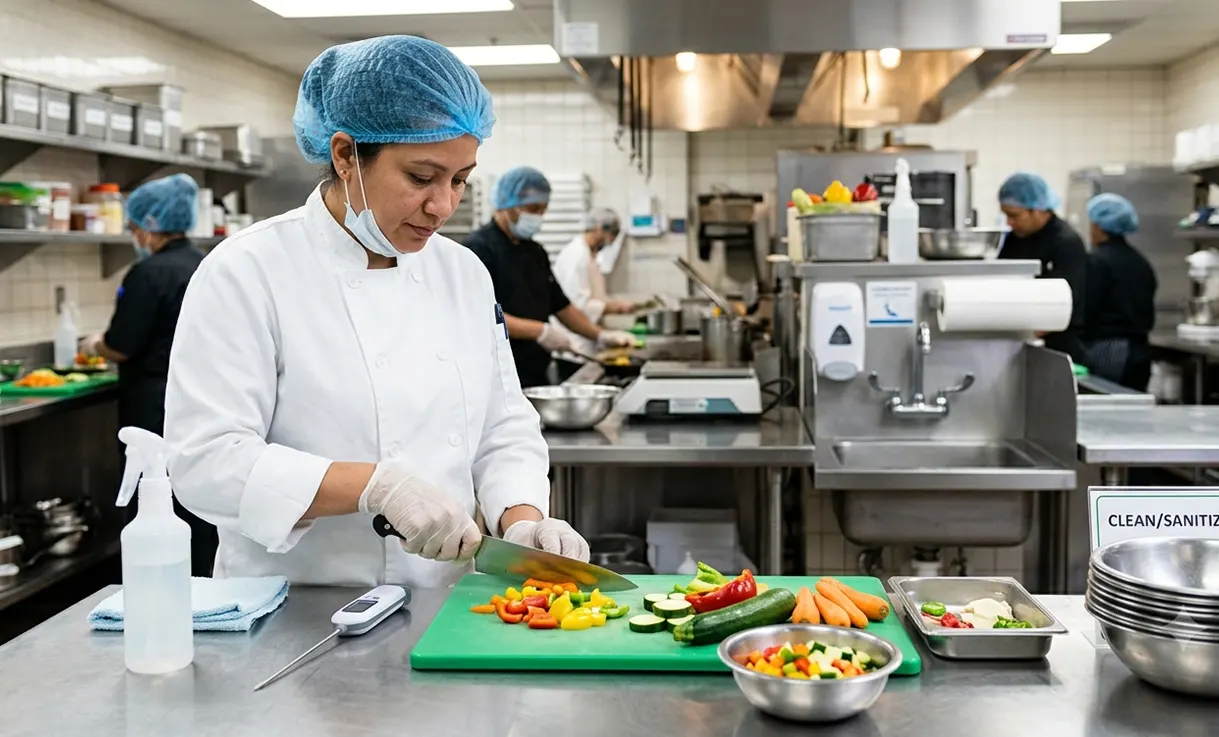
A career in food safety combines scientific knowledge, quality control, hygiene practices and regulatory awareness. For students and professionals in Kerala, a Food Safety Certification Course in Kerala can provide a focused pathway into food processing, quality assurance, laboratory operations and food safety management.
The food industry includes manufacturers, restaurants, catering businesses, laboratories, retailers, exporters and distribution operations. Each area needs people who understand how to identify hazards, maintain hygiene, document procedures and support compliance. This makes food safety training relevant for learners looking for specialized, industry-oriented career options.
A food safety course can prepare learners for entry-level and developing roles in food production, quality control, laboratory testing, food safety operations and compliance. Common career directions include Food Safety Assistant, Quality Control Analyst, Quality Assurance Executive, Laboratory Technician and Production Supervisor. Actual opportunities depend on qualifications, practical skills, experience and employer requirements.
Food safety careers combine quality, hygiene, production and compliance skills.
A suitable course can help learners understand food safety systems and workplace procedures.
Quality control and quality assurance are important career pathways in the food sector.
Practical laboratory and industry exposure can strengthen job readiness.
HACCP, GMP, GHP and food safety standards are useful areas of knowledge.
Career opportunities exist across manufacturing, processing, laboratories, catering and related sectors.
Course selection should consider curriculum, practical training, certification and progression opportunities.
Food safety is important because food businesses must manage hygiene, safety and regulatory requirements throughout their operations. India's food safety framework is governed by regulations notified under the Food Safety and Standards Act, 2006, making knowledge of food safety procedures relevant across the food value chain.
For learners in Kerala, this creates opportunities to build specialized knowledge instead of pursuing only general employment skills. A food safety professional may work with raw materials, processing, storage, packaging, testing, documentation or quality systems depending on the organization.
The work also requires attention to detail. For example, a quality professional may need to check whether hygiene procedures are followed, review records, identify deviations and support corrective actions. These practical responsibilities make food safety suitable for learners who enjoy structured, process-oriented work.
A Food Safety Certification Course in Kerala can introduce learners to food safety principles, quality operations, food processing and laboratory practices. The exact curriculum varies by program, so students should review modules and practical components before enrolling.
A well-structured food safety course may cover areas such as:
Food safety and hygiene
Food processing fundamentals
Quality control and quality assurance
Food microbiology
Food safety standards and regulations
Laboratory testing methods
HACCP principles
GMP and GHP practices
Food operations and documentation
For example, Nexora Academy's Food Safety and Quality Operations Certification Course includes food safety, quality analysis, food operations, food processing and laboratory training, along with topics such as HACCP, FOSTAC and GMP/GHP practices.
Food safety professionals need a combination of technical, analytical and workplace skills. Technical knowledge alone is not enough because many roles involve documentation, inspections, communication and problem-solving.
Important skills include:
Learners should understand contamination risks, hygiene controls, sanitation practices and preventive measures used in food operations.
A food quality control course can help learners understand sampling, testing, specifications, quality checks and handling of non-conformities.
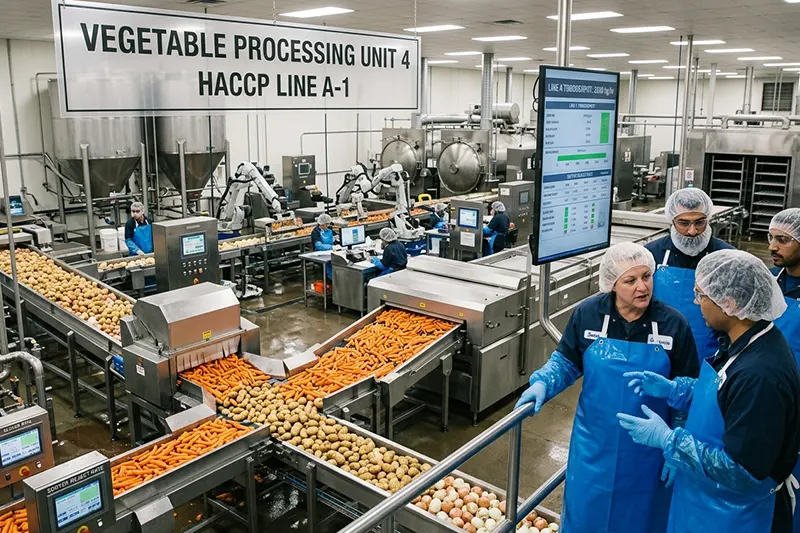
HACCP focuses on identifying hazards and controlling critical points in a food process. It is useful for understanding preventive food safety management rather than relying only on final-product inspection.
Food businesses depend on accurate records, checklists, monitoring reports and corrective-action documentation. Strong documentation skills can therefore support professional performance.
Food safety professionals often coordinate with production, laboratory, procurement, warehouse and management teams. Clear communication is essential when reporting risks or recommending corrective action.
FSSAI's official FoSTaC program covers food safety training across areas including manufacturing, storage and transportation, retail and distribution, and catering.
Food safety professionals can find relevant career pathways across several parts of the food industry. The most suitable area depends on educational background and specialization.
Potential workplaces include:
Food manufacturing companies
Food processing units
Quality control laboratories
Quality assurance departments
Restaurants and catering operations
Dairy and beverage businesses
Packaging and food distribution
Food testing environments
Regulatory and compliance functions
A learner interested in laboratory work may prefer quality analysis and testing, while someone interested in production may explore food processing and quality assurance. This distinction is useful when choosing a food quality management course.
Nexora Academy's Professional Diploma in Food Safety and Food Processing combines areas such as food processing, food safety and hygiene, QA/QC, packaging, food microbiology and food logistics.
The right program should match your educational background and career objective rather than being selected only because it offers a certificate.
Before enrolling, check:
Curriculum: Does it cover food safety, quality and regulatory fundamentals?
Practical learning: Are laboratory sessions, assignments or workplace-oriented activities included?
Industry relevance: Does the program reflect real food production and quality workflows?
Certification: Understand exactly what certification the program provides and who issues it.
Career alignment: Do the learning outcomes match the roles you want to pursue?
Progression: Check whether the program supports further specialization or education.
Learners looking for a longer academic pathway can also explore the B.Voc in Food Processing, Production, Quality and Food Safety, which connects food processing, production, quality and safety as a broader vocational pathway.
Practical training is valuable because food safety responsibilities are closely connected to real processes. A learner may understand HACCP theoretically but still need practice interpreting process steps, identifying hazards, completing records or evaluating quality procedures.
Practical assignments can include reviewing a food-processing workflow, identifying possible contamination points, preparing hygiene checklists or studying quality-control procedures. Laboratory exposure can also help learners become more familiar with testing methods and professional documentation.
For more advanced learners, a PG Diploma in Food Safety and Quality Management can provide deeper exposure to food safety systems, quality management, auditing and regulatory areas.
A practical career pathway can begin with foundational food safety knowledge and progress toward specialized quality or compliance responsibilities.
A simple roadmap is:
Learn fundamentals → Build practical skills → Gain relevant certification → Develop workplace experience → Specialize in quality, safety or auditing → Progress into higher-responsibility roles
Freshers may initially target assistant, technician or junior quality positions. With experience, additional education and demonstrated competence, professionals may move toward quality assurance, food safety coordination, auditing or management-oriented responsibilities.
Career outcomes are not automatic after completing a course. They can depend on qualifications, practical competence, communication skills, experience, location, employer requirements and industry conditions.
Nexora Academy offers food safety and quality-focused learning pathways that include certification and vocational programs. Its verified course offerings include food safety and quality operations, food processing and food safety, B.Voc-level food processing and quality education, and postgraduate-level food safety and quality management.
The academy's food safety programs emphasize areas such as practical learning, laboratory exposure, food safety systems, quality management and industry-relevant knowledge. Learners should review the latest curriculum, eligibility and certification details for the specific program before making an enrollment decision.
Conclusion
Food safety offers several career directions across food production, quality control, laboratory operations, quality assurance and compliance. A Food Safety Certification Course in Kerala can be a useful starting point for learners who want focused, industry-relevant knowledge. Before enrolling, compare curriculum, practical exposure, certification and progression opportunities. Nexora Academy provides multiple food safety and quality learning pathways that learners can evaluate according to their career goals.
If food quality, production standards, laboratory work or compliance interests you, compare the available learning pathways before choosing a program. Consider your current qualification, preferred job role, practical learning requirements and long-term career direction. You can review relevant Nexora Academy course details and discuss the most suitable pathway with an academic or course advisor.
Food safety can be a suitable career option for learners interested in food production, quality management, laboratory work and compliance. Opportunities can exist across food processing units, manufacturing companies, laboratories, catering businesses and quality departments. Career progression depends on qualifications, practical skills, experience, specialization and employer requirements, so students should choose training that matches their intended role.
A food safety course may cover food hygiene, food processing, quality control, quality assurance, microbiology, food safety standards, documentation and preventive systems such as HACCP. Some programs may also include laboratory training and topics such as GMP and GHP. The exact subjects, practical components and certification depend on the specific program.
Depending on the qualification and employer requirements, learners may pursue entry-level roles such as Food Safety Assistant, Quality Control Analyst, Laboratory Technician, Quality Assurance Executive or Production Supervisor. More advanced roles may require additional education or experience. Completing a course does not guarantee employment, and career outcomes depend on skills, experience and market conditions.
HACCP is useful because it teaches a preventive approach to identifying and controlling food safety hazards. Understanding HACCP can support work involving food production, quality assurance, safety procedures and compliance. Learners should also understand how HACCP fits with practical hygiene, documentation, monitoring and corrective-action processes rather than treating certification alone as sufficient professional preparation.
Choose a food safety training institute by checking its curriculum, practical learning opportunities, faculty or trainer expertise, certification details, learning format and relevance to your career goal. Also verify the exact qualification or certificate awarded and review the latest program information. Comparing these factors is more useful than selecting a course based only on promotional claims.
Yes, graduates and working professionals may consider food safety programs depending on the eligibility requirements of the selected course. Shorter certification pathways may suit professionals seeking focused skill enhancement, while diploma or vocational programs may suit learners seeking broader specialization. Always confirm eligibility, duration, learning mode and certification details with the institution before enrolling.