







Quick Links
Utility Pages
© Copyright 2026 by nexoraacademy.com
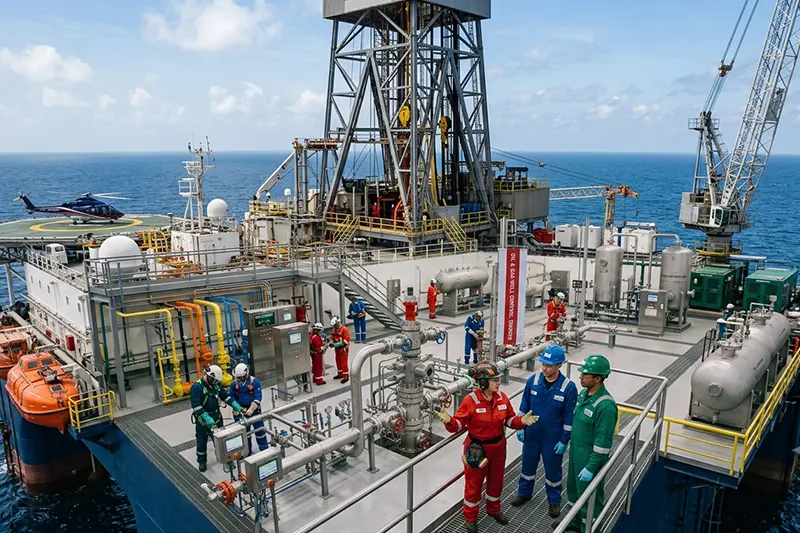
The oil and gas industry involves complex operations, specialised equipment, flammable materials, high-pressure systems, and potentially hazardous working environments. From drilling and extraction to processing, storage, and transportation, safety procedures are essential for protecting workers, equipment, and surrounding communities.
A B.Voc Oil and Gas Safety Course in Kerala can be a pathway for students interested in developing vocational knowledge related to industrial safety, hazard identification, risk control, and workplace safety practices. The exact subjects and practical training available depend on the institution and programme curriculum.
For students exploring oil and gas safety training, understanding industry hazards, essential safety skills, workplace standards, and potential career pathways can help them make an informed educational decision.
A Bachelor of Vocation (B.Voc) programme is a vocational education pathway that combines subject knowledge with occupationally oriented learning. A programme focused on oil and gas safety may cover industrial hazards, personal protective equipment, emergency preparedness, risk assessment, fire prevention, and safe operating procedures.
The purpose of this training is to help learners understand how safety principles are applied in industrial environments. Depending on the curriculum, students may study safety documentation, hazard communication, incident prevention, and the responsibilities of workers and supervisors.
Nexora Academy lists a B.Voc Oil and Gas Safety, Rig Operations and Industrial Services programme. Prospective students should review the official programme details to confirm the curriculum, eligibility, awarding authority, qualification structure, and available practical training before applying.
Oil and gas operations can involve simultaneous mechanical, chemical, electrical, environmental, and operational risks. An incident may cause serious injuries, equipment damage, production interruptions, or environmental harm.
The US Occupational Safety and Health Administration (OSHA) identifies hazards in oil and gas extraction such as fires, explosions, falls, vehicle incidents, confined spaces, high-pressure equipment, and uncontrolled energy sources. Its oil and gas extraction safety guidance explains common hazards and prevention measures.
Safety training helps workers recognise unsafe conditions, follow approved procedures, communicate risks, and understand when work must stop because conditions are unsafe. However, training alone is not enough: effective safety also requires suitable equipment, competent supervision, risk controls, emergency planning, and compliance with applicable regulations.
A relevant vocational programme may introduce learners to several important industrial safety skills.
Hazard identification involves recognising conditions that could cause injury, illness, equipment damage, or other losses. Risk assessment considers how likely an incident is and how serious its consequences could be.
Students may learn about workplace inspections, hazard reporting, job safety analysis, and the selection of appropriate controls. For example, an exposed moving machine part, a leaking pipe, or an obstructed emergency exit should be identified and reported through the site's established safety procedures.
These skills help workers understand risks before beginning a task rather than responding only after an incident occurs.
Flammable gases and vapours can create fire and explosion risks in oil and gas facilities. Potential ignition sources include electrical equipment, hot work, open flames, static electricity, and hot surfaces.
Safety education may cover fire prevention, emergency alarms, evacuation procedures, emergency communication, and the correct use of firefighting equipment within a person's training and authorisation.
Workers should understand their site's emergency plan and follow the instructions of trained emergency personnel. Practical firefighting or rescue activities should only be undertaken by appropriately trained and authorised people using suitable equipment.
Personal protective equipment helps reduce exposure to workplace hazards when selected and used correctly. Depending on the task, equipment may include safety helmets, protective footwear, eye protection, gloves, hearing protection, flame-resistant clothing, and respiratory protection.
PPE selection must be based on the identified hazard and the site's requirements. Learners should understand equipment limitations, inspection procedures, correct fitting, maintenance, and replacement.
PPE is not a substitute for eliminating hazards or using effective engineering and administrative controls where these are appropriate.
Certain high-risk activities require formal authorisation and specific precautions before work begins. Examples may include hot work, confined-space entry, equipment maintenance, and work on systems containing hazardous energy.
A permit-to-work system helps coordinate the task, identify hazards, confirm precautions, and communicate responsibilities. Students may learn about permits, toolbox talks, checklists, isolation procedures, and job safety analysis.
Actual work must follow the employer's approved procedures and the applicable legal and technical requirements. A training course alone does not authorise a person to perform restricted or high-risk work.
Oil and gas operations can expose workers to hazardous gases and vapours, including hydrogen sulphide (H₂S), depending on the facility and task. Some gases can be toxic, flammable, or capable of displacing oxygen.
Safety training may introduce gas detection, hazard communication, exposure awareness, emergency alarms, and safe response procedures. The appropriate monitoring equipment and response measures depend on the specific hazard and workplace plan.
OSHA's oil and gas health hazards guidance provides information about hydrogen sulphide, hazardous chemicals, fatigue, noise, and other potential occupational health risks.
Accurate documentation helps organisations identify recurring hazards and improve safety procedures. Relevant records may include inspection reports, incident and near-miss reports, equipment checks, training records, and safety meeting notes.
Students may develop an understanding of how to record observations clearly, report unsafe conditions, and follow established communication channels.
Incident reporting is important even when an event does not result in an injury, because near misses can reveal weaknesses in existing safety controls.
Workplace safety standards provide requirements or guidance for managing hazards, protecting workers, and maintaining safe operations. The standards that apply depend on the country, industry, facility, activity, and relevant regulatory framework.
OSHA publishes safety standards and guidance relevant to oil and gas extraction, including provisions related to personal protective equipment, hazardous materials, machinery, and confined spaces. Its oil and gas standards resource provides an overview of relevant US requirements and industry guidance.
These OSHA resources are useful for understanding safety principles, but US regulations should not automatically be treated as Indian legal requirements. Learners and employers must identify the Indian laws, rules, licences, and sector-specific requirements that apply to their operations.
The International Labour Organization (ILO) provides information on occupational safety and health in the oil and gas production and refining sector. Its sector-specific safety and health resource discusses relevant international labour standards and codes of practice.
International guidance can help learners understand broader occupational safety principles. Whether a particular standard or convention creates a specific legal obligation depends on its status and applicability in the relevant jurisdiction.
In addition to legislation and technical standards, employers use procedures tailored to their equipment, operations, and identified risks. These may cover emergency response, equipment isolation, work permits, contractor safety, inspections, and shift handovers.
Students should understand that safe work requires following the current procedures of the site where they are employed, alongside applicable legal requirements.
A vocational qualification focused on oil and gas safety may help students explore entry-level opportunities in industrial safety and operations. Available roles depend on the qualification awarded, employer requirements, practical competence, and relevant experience.
Potential pathways include:
Safety Assistant: Supports safety inspections, documentation, and hazard reporting under supervision.
HSE Assistant: Helps maintain health, safety, and environmental records and supports workplace safety activities.
Safety Trainee: Develops practical knowledge while assisting qualified safety personnel.
Rig Operations Support: Assists with operational support activities when appropriately trained and authorised.
Industrial Safety Support Staff: Helps communicate safety procedures and maintain workplace safety records.
Inspection and Maintenance Support: Supports inspection or maintenance teams while following required safety procedures.
These are potential pathways, not guaranteed job outcomes. Roles such as HSE Officer, safety engineer, offshore safety specialist, or other positions with statutory or employer-defined eligibility requirements may require additional qualifications, recognised training, certifications, and experience.
Students should check current job descriptions before enrolling to understand which qualifications employers require.
Before choosing a programme, evaluate the following factors.
Check whether the syllabus covers hazard identification, risk assessment, fire safety, PPE, emergency response, gas hazards, safety documentation, and relevant industrial operations. Confirm the depth of coverage and whether the programme includes practical assessments.
Confirm the awarding institution, the qualification awarded, and the applicable recognition or approval arrangements. Do not assume that every course using the terms “oil and gas safety” or “industrial safety” provides the same credential.
Find out whether the programme includes demonstrations, simulated exercises, site exposure, or other practical activities. Ask which facilities are available and what activities students are permitted to undertake.
Some employers require specific training or certifications for activities such as offshore work, emergency response, H₂S awareness, or specialised equipment operations. Check whether these are included in the programme or must be completed separately through an appropriate provider.
Review job advertisements in your preferred sector and compare their requirements with the course syllabus. This can help you identify any additional training or experience needed after graduation.
Students can explore the B.Voc programme category at Nexora Academy and contact the institution through its official contact page for details about the programme and admission requirements.
A B.Voc Oil and Gas Safety Course in Kerala can provide a foundation for learners interested in industrial safety, hazard prevention, rig operations, and workplace risk management. Understanding fire prevention, PPE, permit-to-work procedures, hazardous gases, incident reporting, and applicable safety standards can help students prepare for safety-focused industrial environments.
Before enrolling, compare the curriculum, practical learning opportunities, qualification details, and employer requirements. A carefully chosen programme can support your professional development, but career outcomes depend on the qualification earned, additional training, practical competence, and the requirements of individual employers.
It is a vocational programme focused on oil and gas operations and related safety practices. The exact curriculum depends on the institution.
Key skills include hazard identification, risk assessment, fire prevention, PPE use, emergency awareness, gas hazard awareness, and safety documentation.
Possible entry-level pathways include safety assistant, HSE assistant, safety trainee, and industrial operations support roles, depending on employer requirements.
OSHA standards are US requirements. They can provide useful safety guidance, but Indian workplaces must follow the laws and regulations applicable to their operations.
No. Employment depends on the qualification, skills, experience, additional certifications, and the requirements of the employer.
Some positions require specific certifications or specialised training. Check the requirements for your intended role before enrolling.