








Quick Links
Utility Pages
© Copyright 2026 by nexoraacademy.com
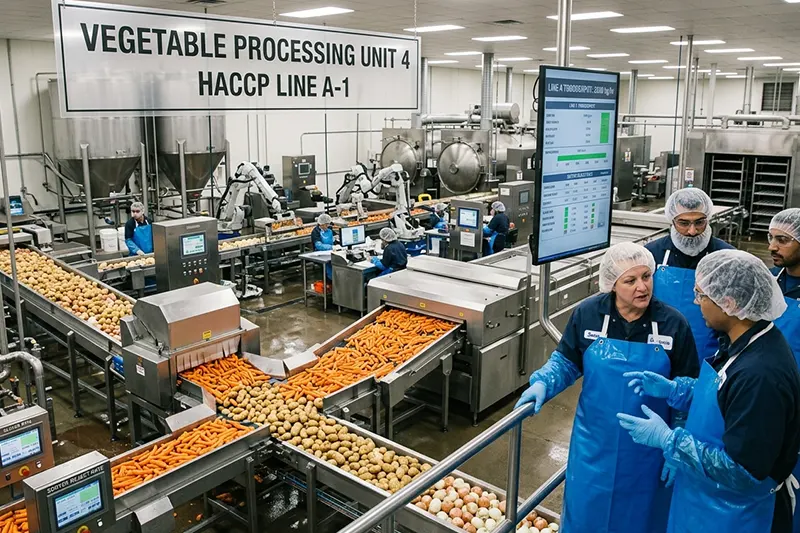
The food industry involves much more than preparing and selling food. It includes raw material handling, food processing, manufacturing, packaging, quality testing, storage, distribution, and food safety management. As these activities require specialised knowledge and practical skills, food processing education can be a useful pathway for students interested in working in food-related industries.
A B.Voc Food Processing Course Kerala can help learners understand how food products are processed, manufactured, preserved, tested, and prepared for distribution. The Bachelor of Vocation (B.Voc) is a vocational education pathway designed around occupational skills and applied learning. The exact curriculum, qualification structure, and recognition depend on the institution and programme.
For students exploring food technology career pathways, it is important to understand the skills taught, the industries that use them, and the career options that may be available after completing the programme.
A B.Voc Food Processing programme focuses on the practical and technical aspects of transforming raw food materials into safe, consistent, and market-ready products. Depending on the curriculum, learners may study food science, processing methods, hygiene, quality assurance, packaging, food microbiology, and production operations.
Unlike a course focused only on food preparation, food processing education can cover the wider production chain, from receiving raw materials to checking finished products before storage or distribution.
At Nexora Academy, the B.Voc in Food Processing, Production, Quality and Food Safety covers areas including food processing, hygiene, manufacturing, quality assurance, packaging, and food safety operations. Prospective students should review the programme page for its current eligibility requirements, curriculum, awarding body, and qualification details before applying.
A food processing programme can introduce learners to technical knowledge and workplace practices used across food manufacturing and quality operations.
Students learn about the methods used to transform raw materials into finished food products. Depending on the curriculum and practical facilities, this may include cleaning, sorting, grading, mixing, heating, cooling, drying, preservation, and other processing operations.
Understanding production workflows helps learners recognise how processing conditions can affect product consistency, shelf life, and quality.
Food safety is essential wherever food is handled, manufactured, stored, or distributed. Learners may study personal hygiene, sanitation, contamination prevention, safe handling procedures, and good manufacturing practices.
The Food Safety and Standards Authority of India (FSSAI) provides official information about its Food Safety Training and Certification (FoSTaC) programme, which supports food safety training for food businesses. Students should distinguish between studying food safety as part of a broader qualification and completing a specific FoSTaC certification.
Quality control involves checking materials and products against specified requirements. Quality assurance focuses on the processes and systems used to maintain consistent quality.
Depending on the programme, students may learn about sample collection, documentation, inspection procedures, basic laboratory practices, and quality checks during production. These skills can be relevant to quality departments in food manufacturing businesses.
Packaging helps protect food products during storage and transportation. Learners may explore packaging materials, labelling, product protection, and preservation techniques.
Understanding packaging and preservation is useful for products that need controlled storage conditions, extended shelf life, or protection from moisture, contamination, and physical damage.
Food production involves records relating to materials, processing conditions, quality checks, cleaning schedules, and product batches. Students can benefit from learning how to maintain accurate documentation and follow standard operating procedures.
Communication, teamwork, attention to detail, and problem-solving are also valuable food industry skills, particularly in production environments where safety and consistency matter.
Food processing knowledge is relevant to several sectors. The opportunities available to graduates depend on their practical competence, experience, qualification, and the requirements of individual employers.
Manufacturers process ingredients into packaged and ready-to-market products. Production operations may include ingredient preparation, processing, packing, storage, and routine quality checks.
Relevant entry-level roles may include production assistant, processing operator trainee, or manufacturing support staff, depending on employer requirements.
Dairy and beverage businesses use processing, hygiene, packaging, storage, and quality procedures to maintain product consistency. Learners with relevant training may explore support roles in production and quality operations.
Bakeries and packaged food manufacturers need staff who understand ingredient handling, production workflows, sanitation, packaging, and basic quality checks. Small and medium-sized businesses may also value employees who can support several operational activities.
Quality laboratories test food materials and products using specified procedures. Depending on the job, laboratory roles may require additional qualifications or specialised technical knowledge beyond a general vocational programme.
Students interested in this area should check the educational and practical requirements for the laboratory positions they want to pursue.
Food products often pass through warehouses, cold storage facilities, packaging units, and distribution networks before reaching consumers. Knowledge of safe handling, storage conditions, packaging, and documentation can be useful in these operations.
For broader information about the sector and its development initiatives, learners can explore the Ministry of Food Processing Industries, Government of India's official website.
A B.Voc Food Processing qualification may help learners explore entry-level opportunities across production, quality, hygiene, packaging, and related operations. The exact positions available depend on the qualification awarded, the employer's eligibility criteria, and the candidate's experience.
Potential career pathways include:
Food Processing Assistant: Supports routine food processing and material-handling activities.
Production Assistant: Helps maintain production workflows and follow operating procedures.
Quality Control Assistant: Supports inspections, sampling, documentation, and routine quality checks.
Packaging Executive or Assistant: Helps coordinate packaging operations and checks.
Food Safety Assistant: Supports hygiene monitoring, sanitation records, and food safety procedures.
Warehouse or Operations Assistant: Helps manage food storage, inventory records, and product movement.
These are possible career directions, not guaranteed job outcomes. Some positions—particularly those involving independent food safety enforcement, specialised laboratory analysis, auditing, or management—may require further education, professional certification, relevant experience, or qualifications prescribed by the employer or regulator.
Learners interested in food safety can also explore the Food Safety and Quality Operations certification course to understand a related training option. They should compare its scope and entry requirements with their long-term career goals.
Before enrolling in a B.Voc Food Processing programme, evaluate the course carefully rather than relying only on its title.
Look for subjects relevant to your intended career, such as food processing, hygiene, production, quality control, packaging, and food safety. Review whether the programme includes practical activities or laboratory exposure and ask how learning outcomes are assessed.
Confirm the exact qualification awarded, the name of the awarding institution, the applicable approval or recognition arrangements, and the requirements for further study. Do not assume that every programme with a B.Voc label has identical recognition or progression opportunities.
Practical learning can help students connect theory with workplace procedures. Ask about laboratory access, practical assessments, industry exposure, internships, or work-integrated learning where applicable.
Research job advertisements for the roles you want to pursue. Note the qualifications, technical skills, experience, and certifications employers request, then compare those requirements with the course curriculum.
Find out whether the institution offers career guidance, interview preparation, internship assistance, or placement support. Ask what each service includes and avoid treating placement assistance as a guarantee of employment.
Students can explore the B.Voc programmes offered by Nexora Academy and contact the institution through its official contact page for programme-specific information.
A B.Voc Food Processing Course Kerala can be a pathway for students who want to develop practical knowledge of food manufacturing, production, quality assurance, packaging, and food safety. These skills have applications across food processing units, dairy and beverage businesses, packaged food manufacturing, quality operations, and storage and distribution.
Choosing the right programme requires checking the curriculum, practical training, qualification details, recognition status, and relevance to your intended career. By comparing these factors with actual employer requirements, students can make a more informed decision about their food processing education and future career direction.
It is a vocational programme focused on food processing, production, quality, hygiene, and related industry skills. The exact subjects depend on the institution.
Students may learn food processing techniques, hygiene practices, quality control, packaging, preservation, and production documentation.
Possible entry-level pathways include production assistant, food processing assistant, quality control assistant, packaging assistant, and food safety support roles.
Yes. Practical learning can help students understand processing procedures, hygiene practices, equipment, and quality checks.
Some support roles may be possible, but specialised laboratory positions can require additional qualifications, technical skills, or experience.
Review the curriculum, practical training, awarding body, recognition details, eligibility requirements, and career support before enrolling.