
Qualification Level

Duration

3 months

Eligibility

Diploma, ITI, Engineering, B.Tech (Automobile, Mechanical, EEE, ECE, Mechatronics)

Certification Authority

IIRDC – Nexora Academy

Course Overview:

The Automotive Hybrid EV & Hydrogen Fuel Cell Technology program by IIRDC – Nexora Academy trains students in the most advanced and future-oriented technologies in the automotive sector.
This NCrF/NHEQF-standard program combines electric vehicle systems, hybrid powertrains, battery management, hydrogen energy, fuel cell operations, diagnostics, and sustainability, preparing students for the global transition toward clean mobility.

Overview of the Industrial Impact:

  • The global EV market is growing rapidly, with India becoming a major hub for EV manufacturing, R&D, battery production, and charging infrastructure
  • Hydrogen technology is emerging as a future energy solution for heavy vehicles, metro rail, logistics, and industrial applications
  • Automotive companies prefer professionals skilled in EV powertrain, BMS, hybrid systems, and hydrogen fuel cell technology
  • This course builds strong employability in EV startups, automotive OEMs, battery companies, R&D labs, and clean energy projects

Course Modules

  • Core Subjects
    • Fundamentals of Hybrid & EV Technologies
    • Electric Motors & Power Electronics
    • Battery Technology & BMS
    • Hydrogen Generation & Storage Systems
    • Hydrogen Fuel Cell Operations
    • EV Charging Infrastructure
    • Automotive Embedded Systems
    • Vehicle Safety & Diagnostics
    • Thermal Management in EVs
    • Sustainability & Green Mobility
    Detailed Course Modules
    • Introduction to EV, Hybrid & Hydrogen Technologies
    • Electric Vehicle Powertrain System Components
    • Lithium-Ion Batteries & Battery Pack Design
    • Battery Management System (BMS) Architecture
    • Hybrid Vehicle Technology & Power Split Devices
    • Fuel Cell Types & Hydrogen Energy Properties
    • Hydrogen Storage, Compression & Distribution
    • Fuel Cell Stack Operation & Efficiency Management
    • EV Charging Systems – AC, DC, Fast Charging
    • Embedded Control Systems in EVs
    • Automotive Safety Standards (ASIL, ISO 26262)
    • EV Diagnostics, Testing & Maintenance Techniques
Read more →
Management Projects (Hands-On)
  • EV Powertrain Simulation Project
  • Battery Pack Design & Safety Analysis
  • Hybrid Vehicle Control Strategy
  • Hydrogen Fuel Cell Efficiency Study
  • Charging Infrastructure Planning Model
  • Vehicle Diagnostic Report Project
Training Included
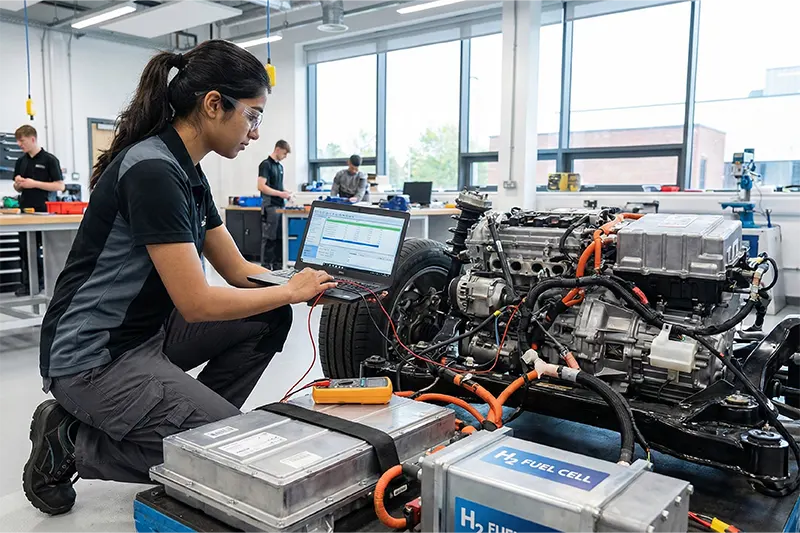
  • Live EV System Demonstration
  • Battery Pack Assembly Basics
  • Diagnostic Tools & Software
  • Hydrogen Technology Simulations
  • Vehicle Maintenance & Inspection
  • Industry Case Studies
  • Internship Support
  • EV & Hydrogen Project Workshops
Key Areas of the Course
  • Hybrid Powertrain & EV Technology
  • Battery Systems & BMS
  • Hydrogen Fuel Cells
  • Automotive Electronics
  • Charging Infrastructure
  • Vehicle Diagnostics & Testing
  • Sustainability & Green Mobility
  • Power Electronics for EVs
Icon

Learning Outcome

By the end of the course, learners will:

  • Understanding of EV & hybrid vehicle systems
  • Ability to diagnose electric vehicles
  • Practical knowledge of battery and BMS technologies
  • Understanding of hydrogen fuel cell operations
  • Skill to follow automotive safety protocols
  • Capability to assist in EV testing & maintenance
  • Knowledge of EV charging & energy networks
image

Career Growth

  • Service Technician → Service Engineer → EV Technical Specialist
  • Battery Technician → Battery Engineer → BMS Developer
  • Hydrogen Technician → Fuel Cell Engineer → Hydrogen Systems Manager

  • EV Junior Engineer → Validation Engineer → Powertrain Development Engineer
  • Massive job scope in India & global EV markets

Industry Expectations

Industry Expectations from EV & Hybrid Professionals:

  • Hands-on experience with EV components
  • Understanding of power electronics & BMS
  • Safety knowledge related to high-voltage systems
  • Hydrogen safety awareness
  • Basic diagnostic and troubleshooting ability
  • Ability to adapt to new-generation mobility technologies

Placement opportunities

After completing the EV/Hybrid course, candidates can explore opportunities in electric vehicle manufacturing companies, EV startups, automotive OEMs, battery & BMS firms, hydrogen fuel cell companies, EV charging infrastructure providers, mobility tech organizations, renewable energy firms, and Skill India/MSME manufacturing units.

  • Electric Vehicle Manufacturing Companies
  • EV Startups & R&D Labs
  • Automotive OEMs (Tata, Mahindra, Hyundai, Toyota)
  • Battery & BMS Companies
  • Hydrogen Production & Fuel Cell Companies
  • EV Charging Infrastructure Firms
  • Mobility Tech Companies
  • Renewable Energy Organizations
  • Skill India & MSME Manufacturing Units

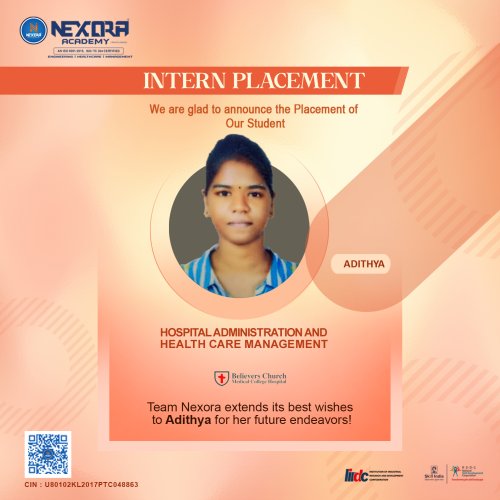
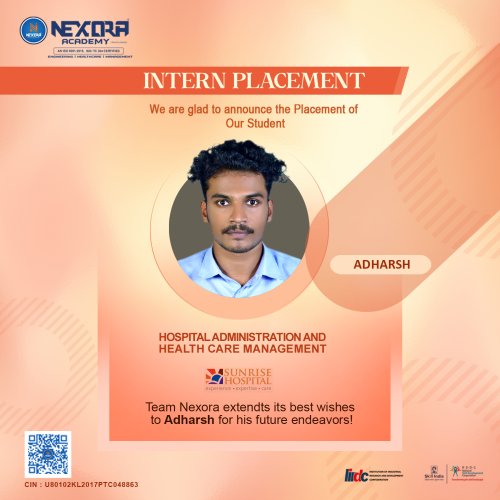
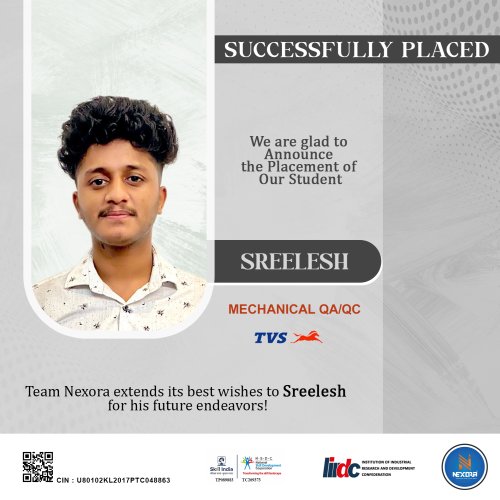
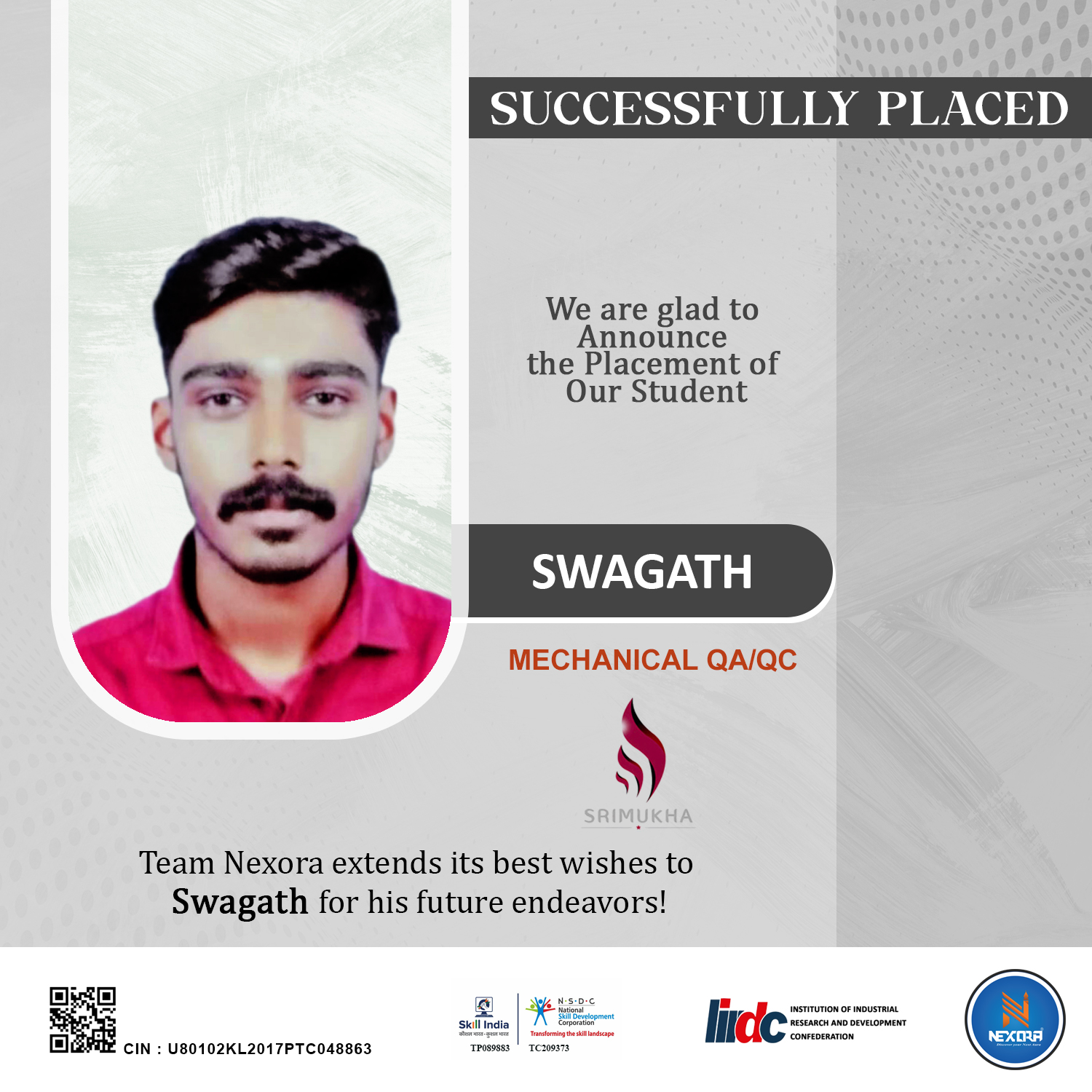
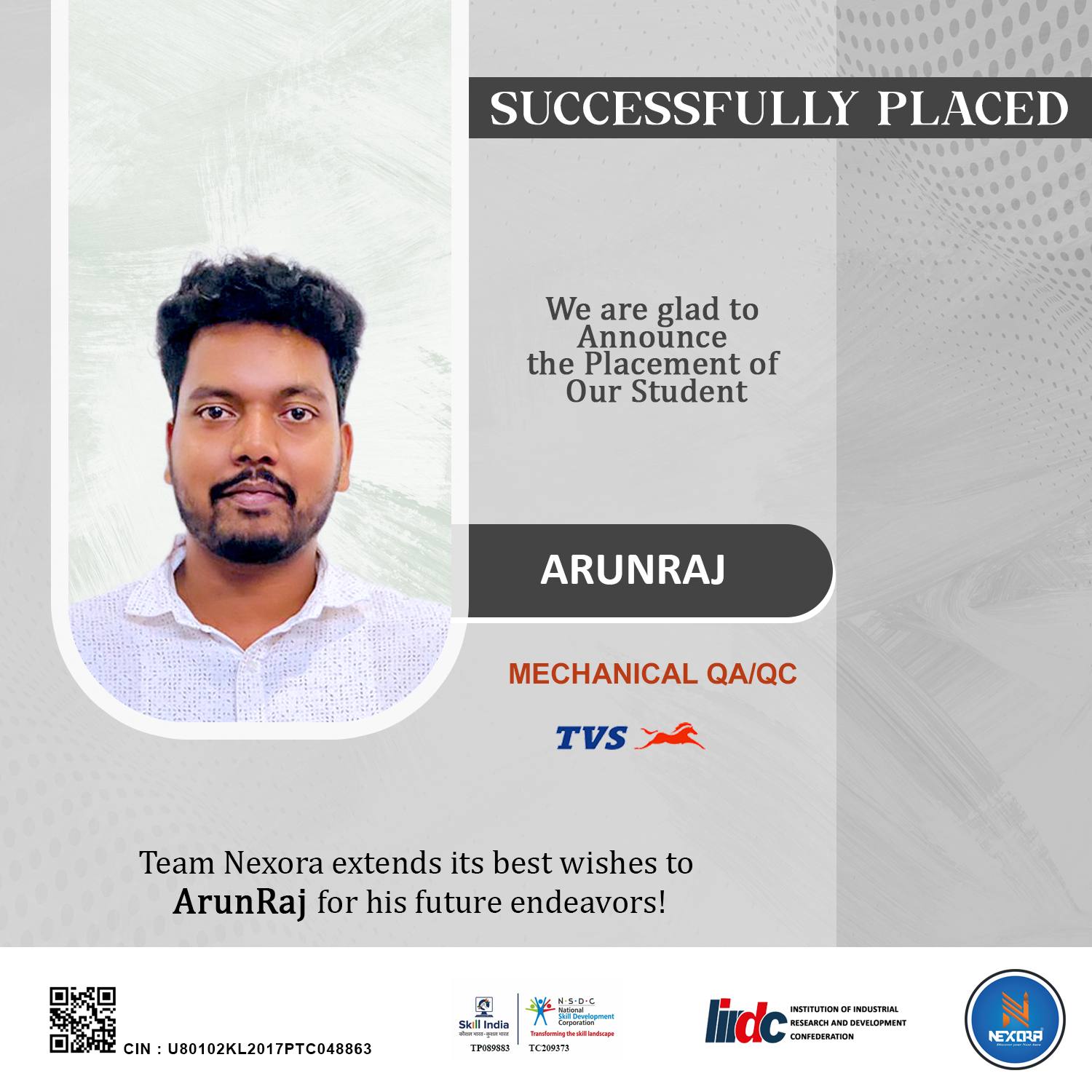
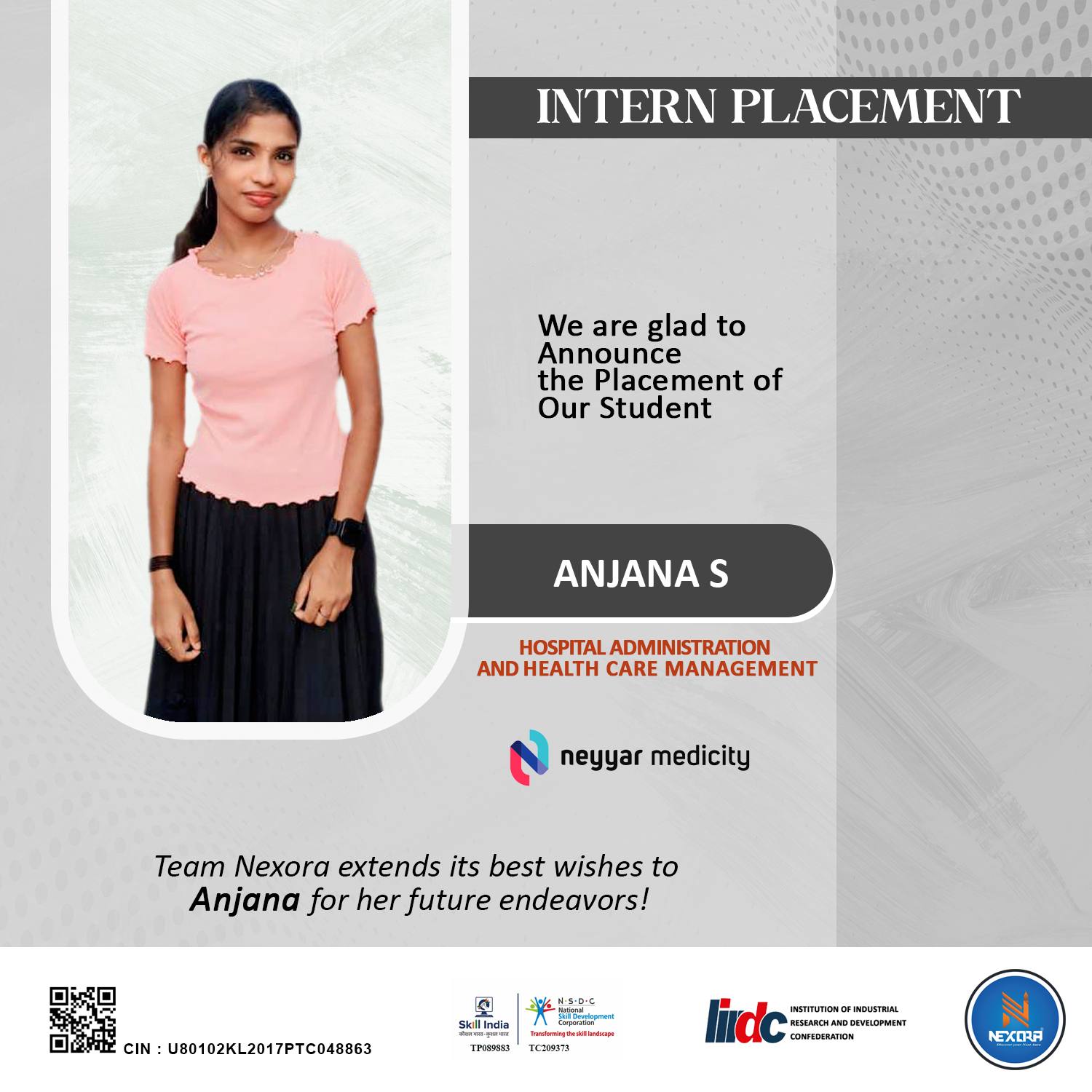
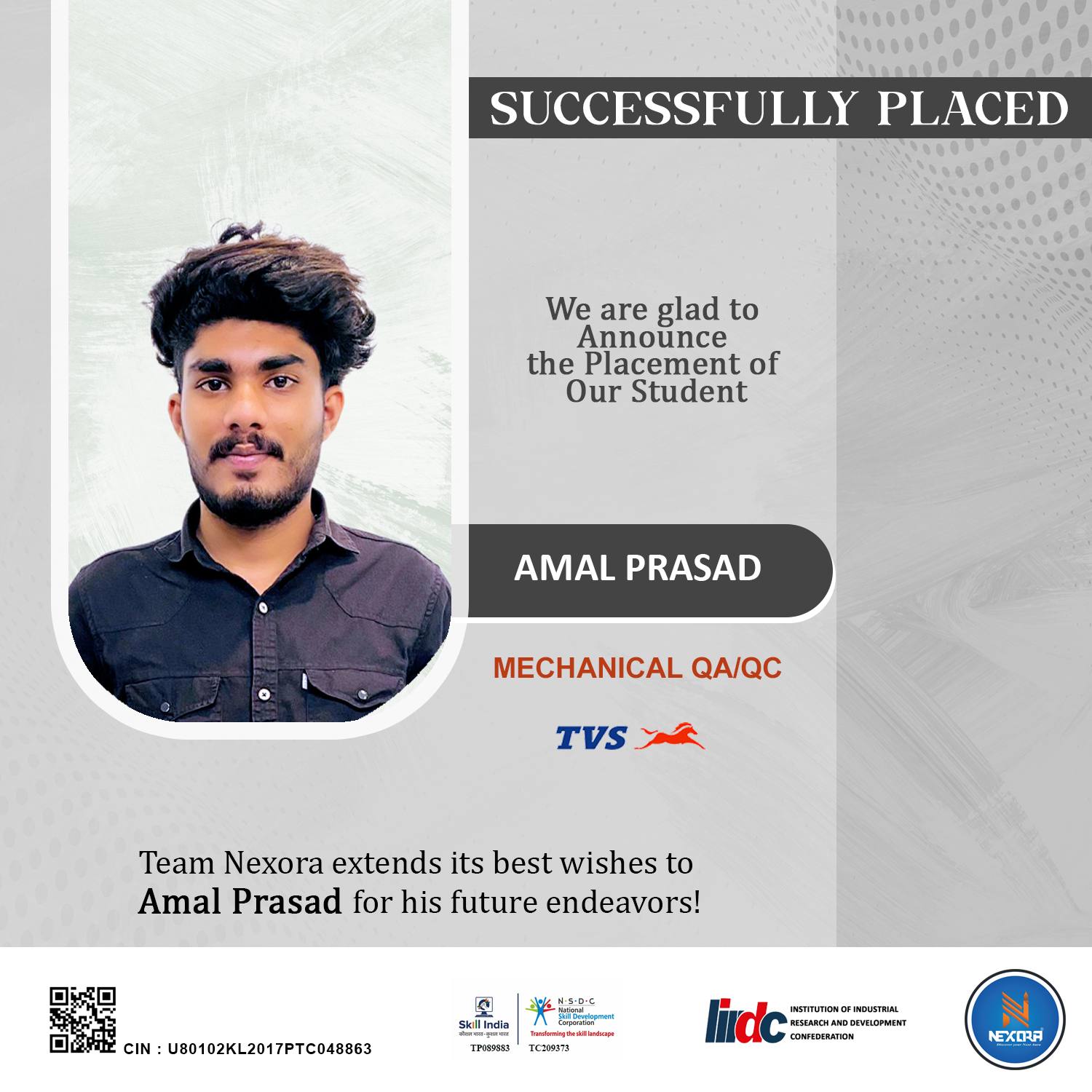
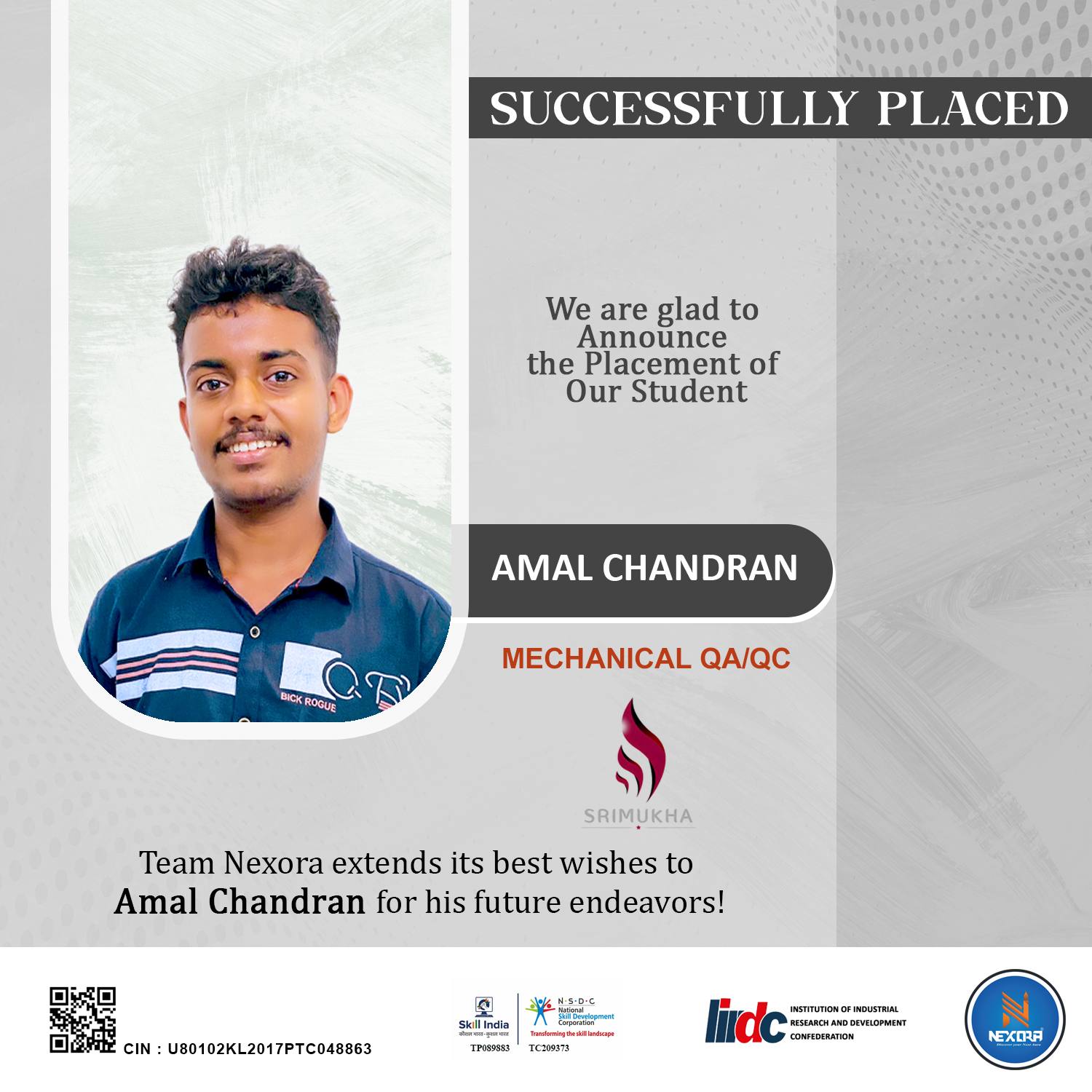
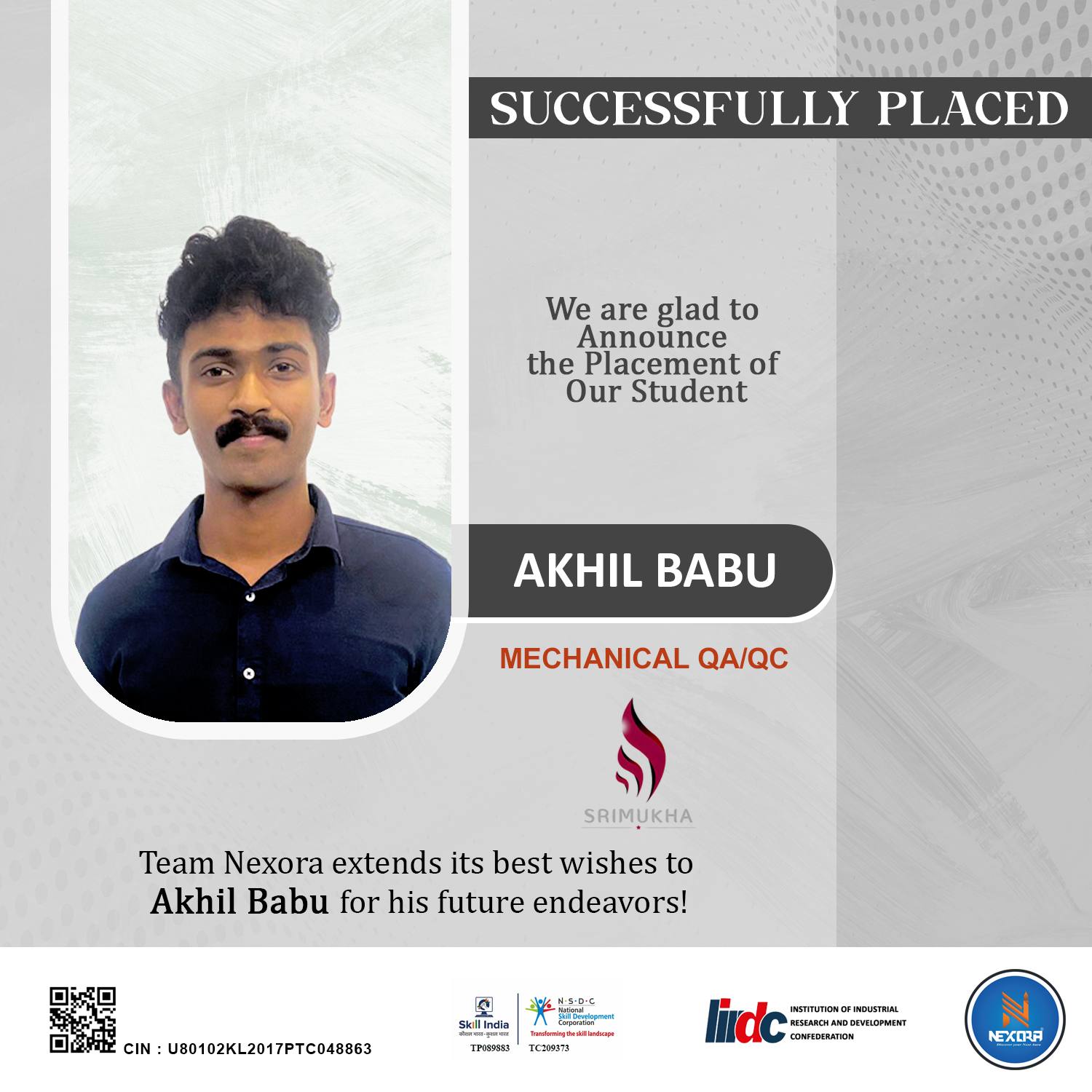
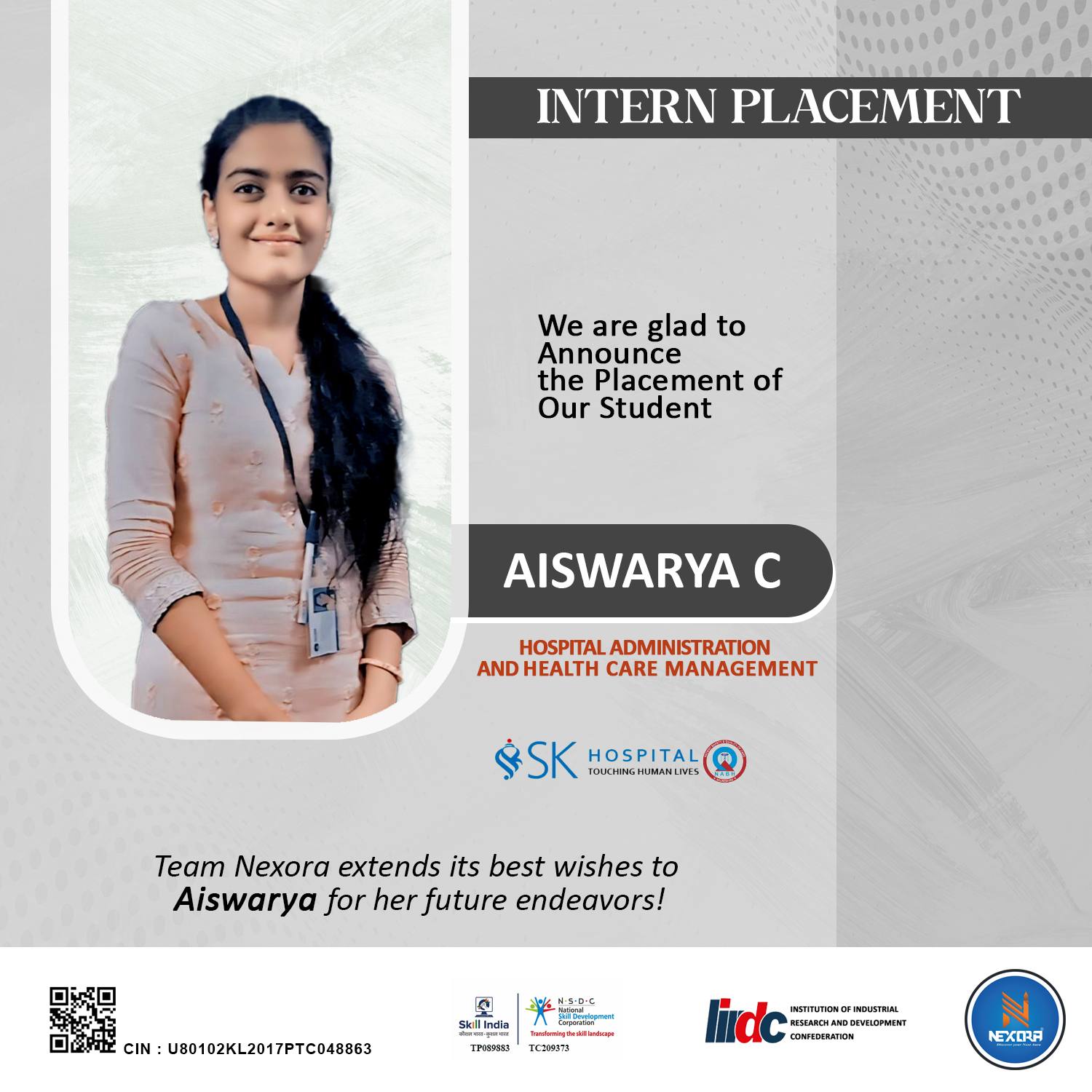
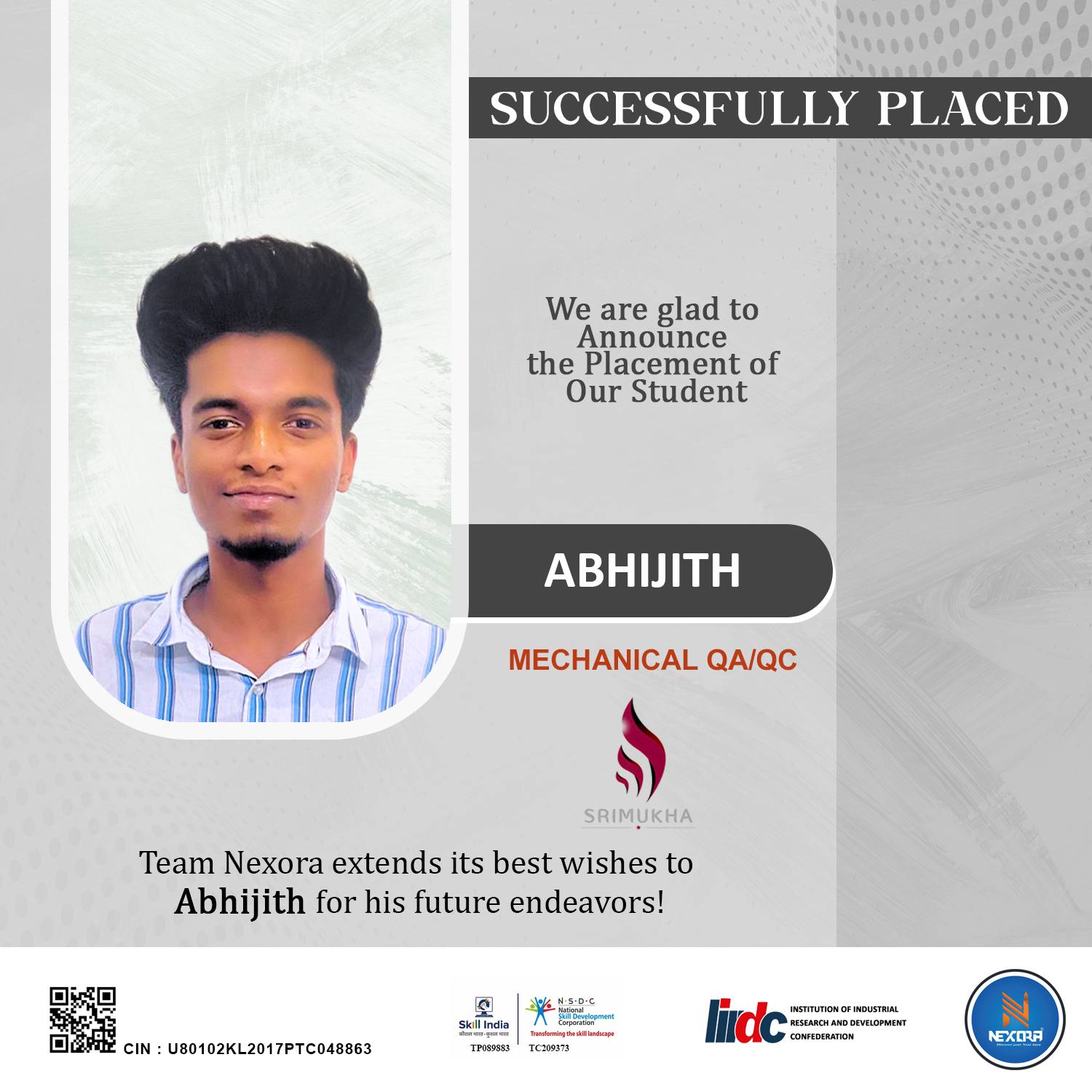
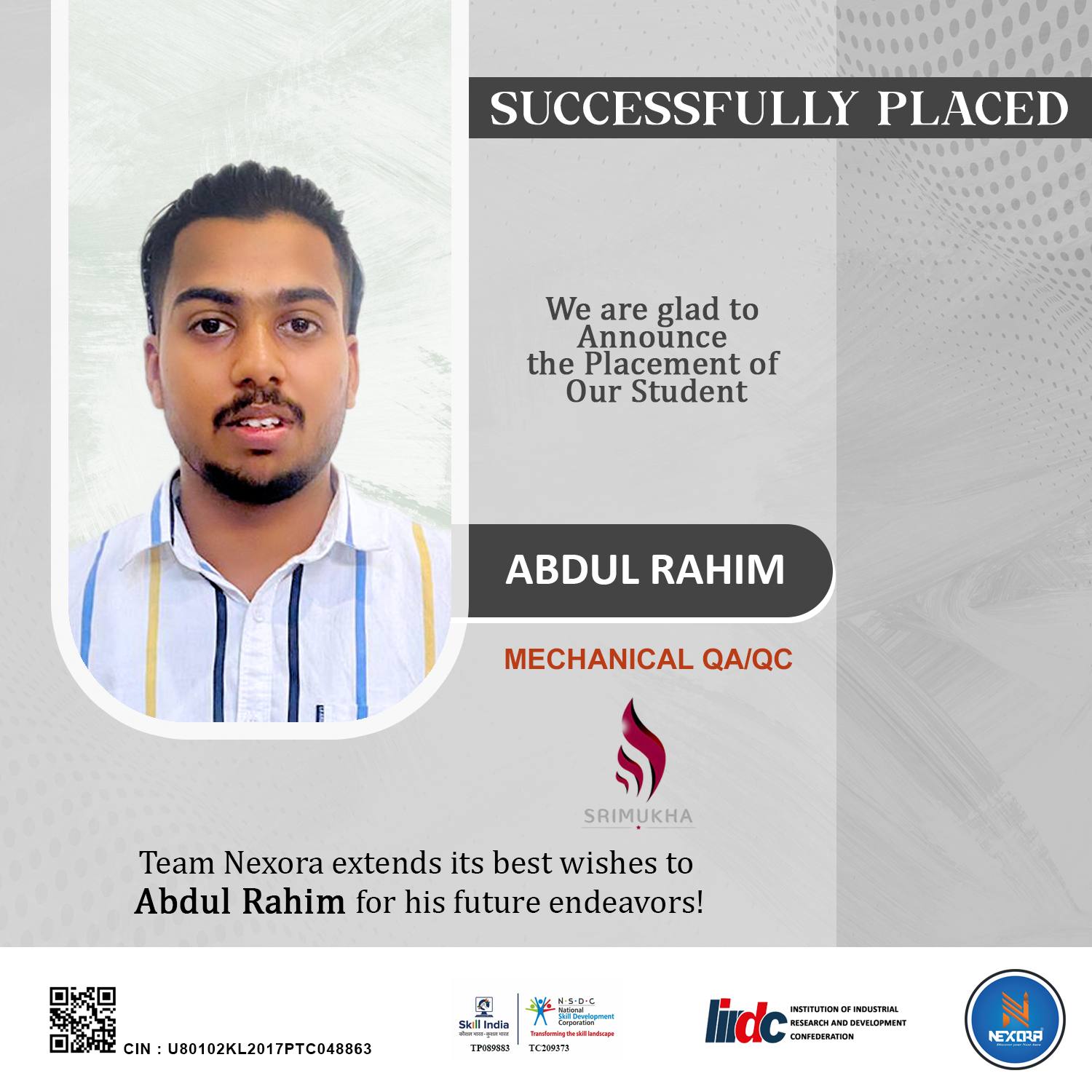
PLACEMENTS

Our Successful Students

Our Accreditation

Talk to us?